
ISSUE 12 · FRIDAY, AUGUST 21, 2026 · BUSINESS & AI
Everybody Bought AI. Almost Nobody Is Ready.
76 pages of banking research. Four things that apply to any business.
Darryl Traweek4 min read
Cornerstone Advisors surveyed 416 bank and credit union executives about 2026. The most useful number in the report has nothing to do with AI.
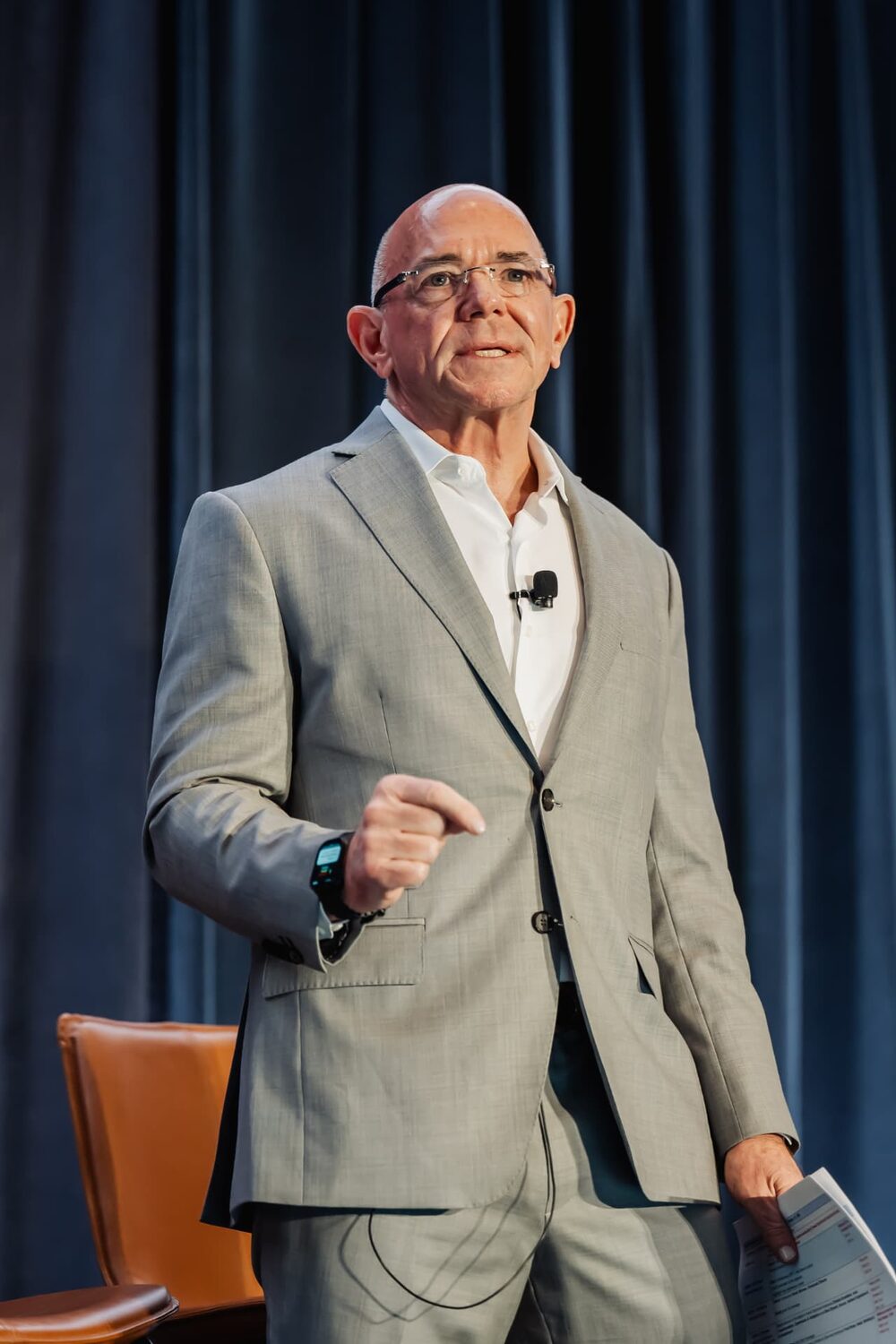
Ron Shevlin's team at Cornerstone Advisors published the 2026 edition of What's Going On in Banking. 416 respondents. Roughly half banks, half credit unions. About 7 in 10 are C-level, and 30% are CEOs. Most institutions fall in the $250 million to $50 billion asset range.
Seventy-six pages. Here is what matters if you run a business — any business.
1. Optimism is high. Execution is not.
More than 8 in 10 executives say they are optimistic about 2026. Fine. Optimism is cheap.
Cornerstone tracks something better: a deployed-to-planned ratio. How much of what you said you would buy did you actually put in the ground?
Of the 26 bank systems they track, 20 had a three-year average below 90%. Seven averaged under 60%. Banks' actual technology demand dropped to 7% in 2025 while planned demand held near 11.6%.
Translation: the board approved it. The budget covered it. It never shipped.
I watched this for forty years in a different building. Same disease. We would leave the strategy offsite with fourteen initiatives and finish the year having completed four. The four that finished were the ones with a name attached and a date on the calendar.
If you are planning 2026 right now, start here: what did we promise last January that never went live? Answer that before you buy anything else.
2. There is no AI strategy without a data strategy.
Roughly half of banks and 59% of credit unions have deployed generative AI. Agentic AI is next — most boards have discussed it, few have bought it.
But Cornerstone ran a separate study grading data quality across five business functions on a 500-point scale. The average score was 241. Barely halfway.
Here is the part that stopped me. Sales and marketing was the lowest-scoring function. Two-thirds of institutions scored under 50 out of 100.
Cornerstone's position — and I agree — is that if a function's data quality is below 60, AI applied to that function will fail. Not underperform. Fail.
Think of it like an advisor's book. You can buy the best planning software in the industry, but if half your client records have no risk tolerance, no held-away assets, and a phone number from 2011, the software produces confident garbage. The tool did not fail. The file did.
Before you buy an AI tool for your sales team, ask one question: could someone run a clean report today showing who bought what, when, and why? If not, you are not buying AI. You are buying a receipt.
3. The blind spot is crypto.
Only 29% of the bankers surveyed see crypto providers as a significant threat.
Meanwhile Cornerstone's own Q4 2025 consumer survey found that among Americans aged 21 to 60, nearly 4 in 10 directly own cryptocurrency — and those who own it hold roughly a quarter of their total investment portfolio there.
Read that again if you advise families. A quarter of the portfolio, sitting somewhere you do not see, do not report on, and probably do not ask about.
Coinbase spent 2025 building toward an everything-app: zero-commission stock trading, its own stablecoin payments platform, pilot partnerships with major banks. Ripple, Circle, and PayPal have announced plans to pursue national bank charters.
The industry rated that a 29% threat. I would take the other side of that trade.
4. Fraud moved from an operations problem to a balance sheet problem.
Roughly 7% of digital applications — about one in 13 — are estimated to involve first-party fraud. First-party fraud now accounts for more than 40% of total fraud losses at many institutions. TransUnion has reported roughly a 300% increase in suspected bust-out profiles since the pandemic.
Six in 10 banks and 7 in 10 credit unions expect higher fraud losses in 2026. Three-quarters are raising fraud budgets.
But the sales insight is buried in the consumer data. Among consumers who graded their fraud dispute experience an A, 83% said the experience strengthened the relationship with their provider. Among those who graded it a C, 46%.
Your worst day with a client is your best selling opportunity. Always has been.
What I would do Monday.
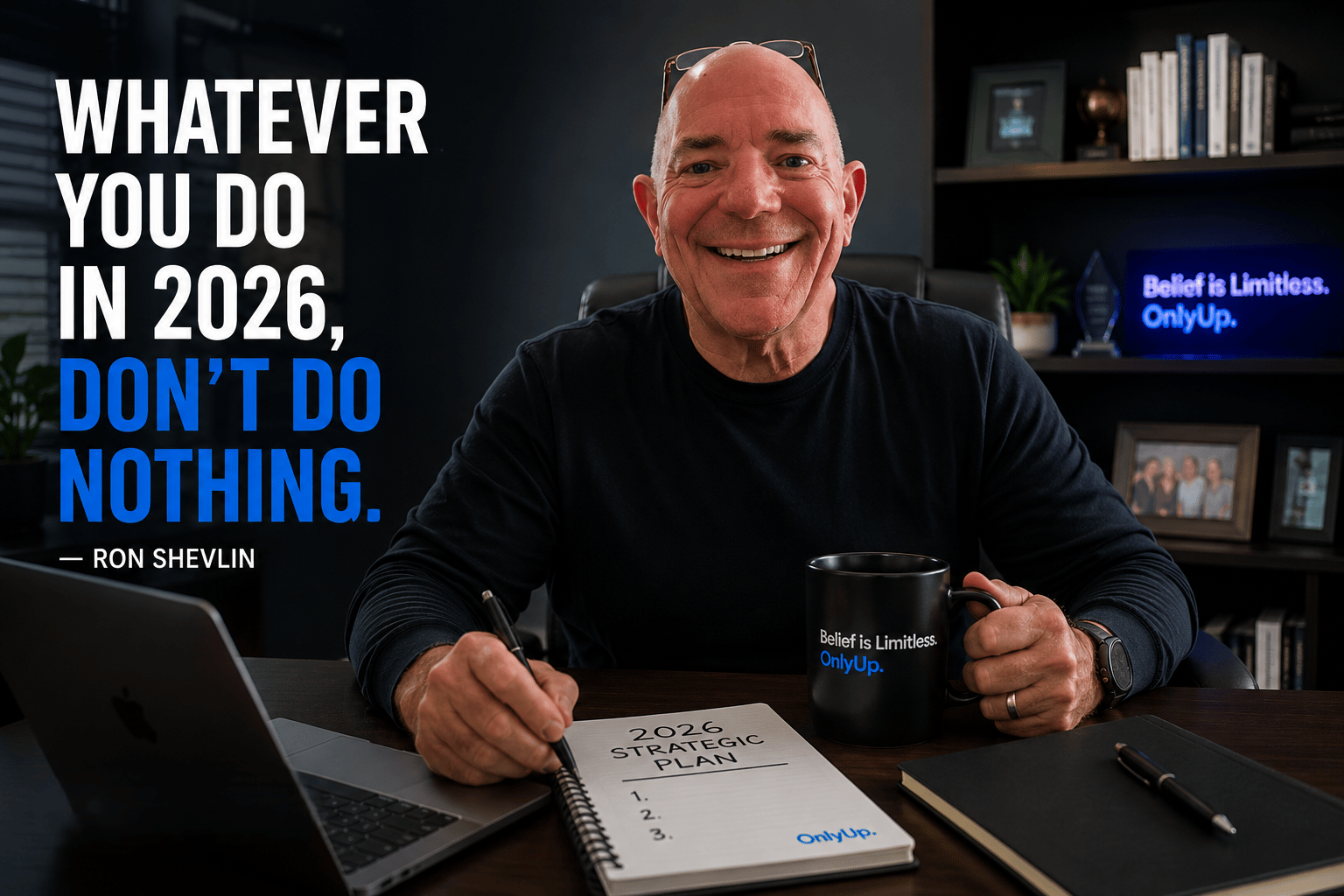
Shevlin closes the report with a line worth stealing: “Whatever you do in 2026, don't do nothing.”
1. Pull last year's plan. Circle everything that never shipped. Give each item a name and a date, or kill it outright.
2. Grade your own data — sales and marketing first. If you cannot produce a clean pipeline report in ten minutes, fix that before you buy a tool.
3. Ask your best clients one question this quarter: what part of your money do I not see? You will learn more than any survey will tell you.
Buyers do not pay for intent. They pay for what is installed and running.
Reply and tell me which lever you picked. I read every one.
**P.S.:**What did you promise last January that never shipped? Hit reply with one. I read every response.
BOOK A COMPLIMENTARY 20-MINUTE BUSINESS VALUE ASSESSMENT
Darryl Traweek | Founder, OnlyUp Group
Belief is Limitless. OnlyUp.
**Source:**Cornerstone Advisors, What's Going On in Banking 2026: AI, Crypto, and Fraud: Oh My! (Ron Shevlin). Survey of 416 executives; approximately 5% margin of error at 95% confidence. Verify any figure before quoting it publicly.
Belief is limitless. OnlyUp.
— Darryl